

residential assets
Multifamily (Stabilized)
Multifamily (Stabilized)
Description
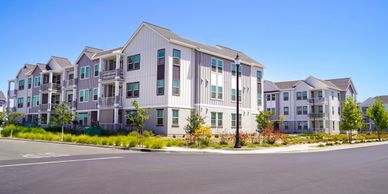
Stabilized multifamily assets are income-producing apartment properties with established occupancy and operating history. These investments typically consist of small to mid-sized buildings located in growth-oriented U.S. markets with consistent rental demand.
The focus is on existing cash flow and operational stability, rather than heavy repositioning or redevelopment.
Why this strategy
Stabilized multifamily is one of the most widely used real estate strategies globally due to its resilience and predictability. Housing demand remains structurally strong across U.S. markets, and stabilized assets provide immediate income with reduced execution risk.
For international investors, this strategy offers transparency, familiarity, and a straightforward ownership structure.
Typical asset profile
- Property size: 5 to 40 units
- Asset type: Garden-style or small apartment buildings
- Status: Fully stabilized operations
- Tenancy: Long-term residential renters
- Geography: Growth-oriented U.S. metropolitan and secondary markets
Investment characteristics
(Indicative ranges shown for illustrative purposes only)
- Typical total investment size:
$1.5M – $5M per property - Target hold period:
5 – 10 years - Income profile:
Stable, recurring rental income - Risk profile:
Core - Indicative return range:
~5% – 8% annualized, depending on market conditions, leverage, and asset quality - Typical capital structure:
~35% – 45% equity / ~55% – 65% debt
Multifamily (Value-Add)
Multifamily (Stabilized)
Description
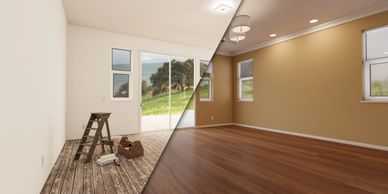
Value-add multifamily assets are apartment properties with identifiable upside through targeted improvements. These opportunities typically involve moderate renovations, operational efficiencies, or lease optimization rather than heavy redevelopment or repositioning.
Assets are generally income-producing at acquisition, with value creation achieved through disciplined execution over time.
Why this strategy
Value-add multifamily offers investors the opportunity to enhance income and asset value while maintaining exposure to essential housing demand. By focusing on measured, well-defined improvements, this strategy balances return potential with controlled execution risk.
For investors seeking a step beyond fully stabilized assets, value-add multifamily provides a clear and understandable path to value creation within a familiar asset class.
Typical asset profile
- Property size: 10 to 60 units
- Asset type: Garden-style or low-rise apartment buildings
- Status: Partially stabilized with operational upside
- Value drivers: Renovations, rent re-alignment, expense optimization
- Geography: Growth-oriented U.S. metropolitan and secondary markets
Investment characteristics
(Indicative ranges shown for illustrative purposes only)
- Typical total investment size:
$2M – $6M per property - Target hold period:
5 – 7 years - Income profile:
Current income with upside through execution - Risk profile:
Core-Plus to Moderate Value-Add - Indicative return range:
~7% – 12% annualized, depending on scope, market conditions, and execution - Typical capital structure:
~30% – 40% equity / ~60% – 70% debt
RENTAL HOUSING PORTFOLIOS
RENTAL HOUSING PORTFOLIOS

Description
Includes small-scale build-to-rent communities and assembled single-family rental portfolios held for long-term income generation. Assets are typically stabilized or near-stabilized and located in growth-oriented U.S. markets with strong rental demand.
Portfolios generally consist of multiple homes within the same submarket, allowing for operational efficiency and portfolio-level management rather than single-asset exposure.
Why this strategy
Build-to-rent combines the durability of residential housing with the efficiency of portfolio ownership. These assets benefit from persistent housing demand, newer construction profiles, and predictable operating characteristics, making them well suited for long-term investors seeking income stability and capital preservation.
This strategy is particularly attractive to international investors due to its simplicity, transparency, and familiarity.
Typical portfolio profile
- Portfolio size: 5 to 30 homes
- Asset type: Detached homes or townhomes
- Status: Stabilized or near stabilization
- Geography: Growth-oriented U.S. markets
Investment characteristics
(Indicative ranges shown for illustrative purposes only)
- Typical total investment size:
$2M – $7M per portfolio - Target hold period:
5 – 10 years - Income profile:
Stable income with long-term growth potential - Risk profile:
Core to Core-Plus - Indicative return range:
~6% – 10% annualized, depending on market conditions, leverage, and execution - Typical capital structure:
~40% equity / ~60% debt
commercial assets
Net-Lease Retail
MEDICAL OFFICE BUILDINGS

Description
Net-lease retail assets are single-tenant commercial properties leased to an operating business under long-term agreements. These leases typically place responsibility for property expenses—such as taxes, insurance, and maintenance—on the tenant, resulting in predictable income streams for owners.
Assets are generally leased to essential service or necessity-based businesses and are held for income stability rather than active management.
Why this strategy
Net-lease retail offers simplicity, transparency, and income visibility. With long lease terms and limited landlord responsibilities, this strategy is particularly attractive to investors seeking stable cash flow with minimal operational involvement.
For international investors, net-lease assets provide a straightforward entry point into U.S. commercial real estate with clearly defined risk and income characteristics.
Typical asset profile
- Property size: Single-tenant buildings
- Tenant profile: Essential services, food, healthcare, or necessity retail
- Lease structure: Long-term net leases
- Operations: Minimal landlord involvement
- Geography: Nationwide U.S. markets
Investment characteristics
(Indicative ranges shown for illustrative purposes only)
- Typical total investment size:
$1M – $4M per property - Target hold period:
7 – 15 years - Income profile:
Long-term, predictable rental income - Risk profile:
Core - Indicative return range:
~5% – 8% annualized, depending on tenant credit, lease term, and market - Typical capital structure:
~35% – 45% equity / ~55% – 65% debt
MEDICAL OFFICE BUILDINGS
MEDICAL OFFICE BUILDINGS
Description
Focused on real estate ownership (only) of medical office buildings and outpatient facilities leased to healthcare providers. These properties are distinct from operating healthcare businesses and focus solely on the underlying real estate.
Tenants typically operate under longer-term leases due to specialized build-outs and location dependency.
Why this strategy
Healthcare real estate benefits from strong, long-term demand drivers and defensive characteristics. Medical tenants tend to exhibit lower turnover and prioritize continuity of location, supporting income stability over time.
This strategy appeals to investors seeking durable cash flow and reduced sensitivity to economic cycles.
Typical asset profile
- Property type: Medical office or outpatient facilities
- Tenant profile: Physicians, clinics, healthcare providers
- Lease structure: Medium- to long-term leases
- Operations: Real estate only (no operating business exposure)
- Geography: Urban, suburban, and secondary U.S. markets
Investment characteristics
(Indicative ranges shown for illustrative purposes only)
- Typical total investment size:
$2M – $6M per property - Target hold period:
7 – 12 years - Income profile:
Stable income with defensive characteristics - Risk profile:
Core to Core-Plus - Indicative return range:
~6% – 9% annualized, depending on tenancy, lease structure, and market - Typical capital structure:
~35% – 45% equity / ~55% – 65% debt
Self-Storage
Self-Storage
Description
Self-storage assets are purpose-built facilities offering secure storage units to individuals and businesses. These properties generate income through short-term rental agreements and benefit from diversified tenant demand.
Capreim focuses on stabilized or lightly expandable facilities, prioritizing operational clarity and income visibility rather than ground-up development.
Why this strategy
Self-storage has demonstrated resilience across economic cycles, supported by demand drivers such as household mobility, downsizing, business storage needs, and life events. The asset class benefits from flexible pricing, low tenant concentration, and relatively simple operating models.
For investors, self-storage provides exposure to an alternative real estate sector with strong cash-flow characteristics and limited correlation to traditional residential or office markets.
Typical asset profile
- Facility type: Stabilized self-storage facilities
- Unit mix: Climate-controlled and non-climate units
- Operations: Third-party managed or professionally operated
- Expansion: Selective, light expansion where supported by demand
- Geography: U.S. metropolitan and secondary markets
Investment characteristics
(Indicative ranges shown for illustrative purposes only)
- Typical total investment size:
$2M – $5M per facility - Target hold period:
5 – 10 years - Income profile:
Current income with operational upside - Risk profile:
Core-Plus - Indicative return range:
~7% – 11% annualized, depending on occupancy, pricing dynamics, and execution - Typical capital structure:
~30% – 40% equity / ~60% – 70% debt